
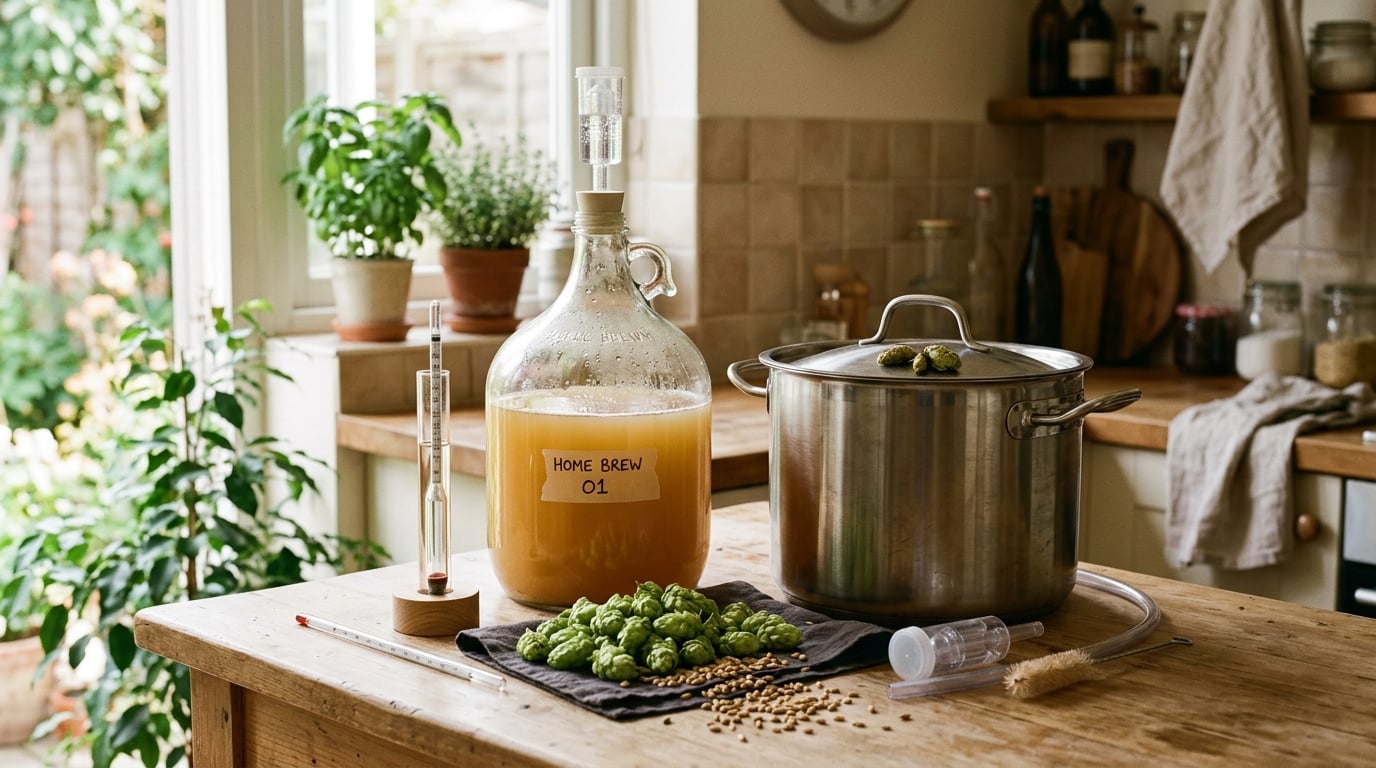
Across South Africa, a quiet revolution is taking place in suburban garages, township backyards, and rural homesteads. A new generation of South Africans is rediscovering the ancient art of homebrewing, but they're not just following modern recipes – they're returning to traditional methods passed down through generations.
The Cultural Reconnection
This homebrewing renaissance represents more than a hobby trend – it's a cultural reconnection. Young South Africans, many of whom grew up in urban environments disconnected from traditional brewing practices, are seeking out grandmothers, community elders, and traditional healers to learn techniques that predate European colonization.
The movement gained momentum during the COVID-19 lockdowns when people had time to explore traditional skills and connect with family heritage. What started as pandemic projects have evolved into serious commitments to preserving and adapting traditional brewing knowledge for modern life.
Start Your Brewing Journey
Begin your own traditional homebrewing adventure with authentic ingredients, equipment, and guides that respect both traditional methods and modern safety standards.
Bridging Old and New
Modern traditional homebrewers are creating fascinating hybrid approaches that honor ancestral knowledge while incorporating contemporary understanding of food safety, fermentation science, and consistency. They use clay pots alongside digital thermometers, wild fermentation with pH testing, and traditional timing with modern documentation.

The Learning Process
Traditional Foundation
Learning ancestral techniques from community elders
Key Focus:
Understanding umqombothi and indigenous ingredients
Modern Adaptation
Incorporating food safety and consistency methods
Key Focus:
Sanitation, temperature control, and documentation
Creative Experimentation
Developing personal recipes and hybrid styles
Key Focus:
Innovation while respecting tradition
Traditional Techniques in Modern Kitchens
Urban Adaptations
Urban homebrewers are finding creative ways to adapt traditional methods to apartment living. They use smaller clay vessels that fit on kitchen counters, create temperature-controlled environments using modern heating pads, and develop shortened fermentation cycles that work with city water and controlled environments.
Ingredient Sourcing
Modern traditional brewers are establishing networks to source authentic ingredients. They connect with rural suppliers for properly prepared sorghum, seek out wild plants for traditional flavor additions, and even establish relationships with traditional healers who understand the medicinal aspects of brewing herbs.
Community Building
Social media and community groups have become essential for sharing traditional knowledge. WhatsApp groups, Facebook communities, and local meetups allow brewers to share recipes, troubleshoot fermentation issues, and maintain the social aspect that was always central to traditional brewing.
Traditional vs Modern: Equipment Comparison
Traditional Methods
- • Clay pots for fermentation
- • Wooden stirring implements
- • Natural temperature control
- • Wild yeast fermentation
- • Traditional timing methods
- • Community knowledge sharing
Modern Adaptations
- • Food-grade containers with clay inserts
- • Sanitized modern utensils
- • Temperature monitoring systems
- • Controlled wild yeast cultures
- • Digital timing and documentation
- • Online community networks
Health and Wellness Focus
Many traditional homebrewers are motivated by health considerations. Traditional African beers, when properly fermented, contain probiotics, B vitamins, and other nutrients that mass-produced beers lack. The fermentation process also breaks down complex carbohydrates and proteins, making the nutrients more bioavailable.
Medicinal Brewing
Some homebrewers are exploring the medicinal aspects of traditional brewing, incorporating herbs and plants known for their health benefits. This includes adaptogens, digestive aids, and immune system supporters that were traditionally included in ceremonial and everyday beers.
Economic and Environmental Benefits
Traditional homebrewing often uses locally available, drought-resistant ingredients like sorghum and indigenous plants. This makes it both economically accessible and environmentally sustainable compared to conventional brewing that relies on imported ingredients and energy-intensive processes.
Local Economy Support
The movement supports local economies by creating demand for traditional ingredients, supporting rural farmers who grow heritage grains, and preserving traditional knowledge through economic incentives for elder knowledge keepers.
Challenges and Solutions
Modern traditional homebrewing faces challenges including food safety concerns, consistency issues, and legal considerations around home alcohol production. However, the community is developing solutions through education, modern testing methods, and advocacy for reasonable regulations.
Knowledge preservation is another challenge as elder practitioners age. The community is responding with documentation projects, video tutorials, and mentorship programs that ensure traditional knowledge passes to younger generations.
The Future of Traditional Homebrewing
As this renaissance continues, we're seeing the emergence of hybrid brewing styles that could influence commercial craft brewing. Traditional homebrewers are becoming consultants to craft breweries, helping create authentic traditional beer styles for commercial production, and some are transitioning into professional brewing themselves, bringing traditional knowledge into the commercial sphere.
Join the Renaissance
Start your own traditional homebrewing journey with authentic ingredients, proper equipment, and educational resources that bridge traditional wisdom with modern brewing science and safety practices.