
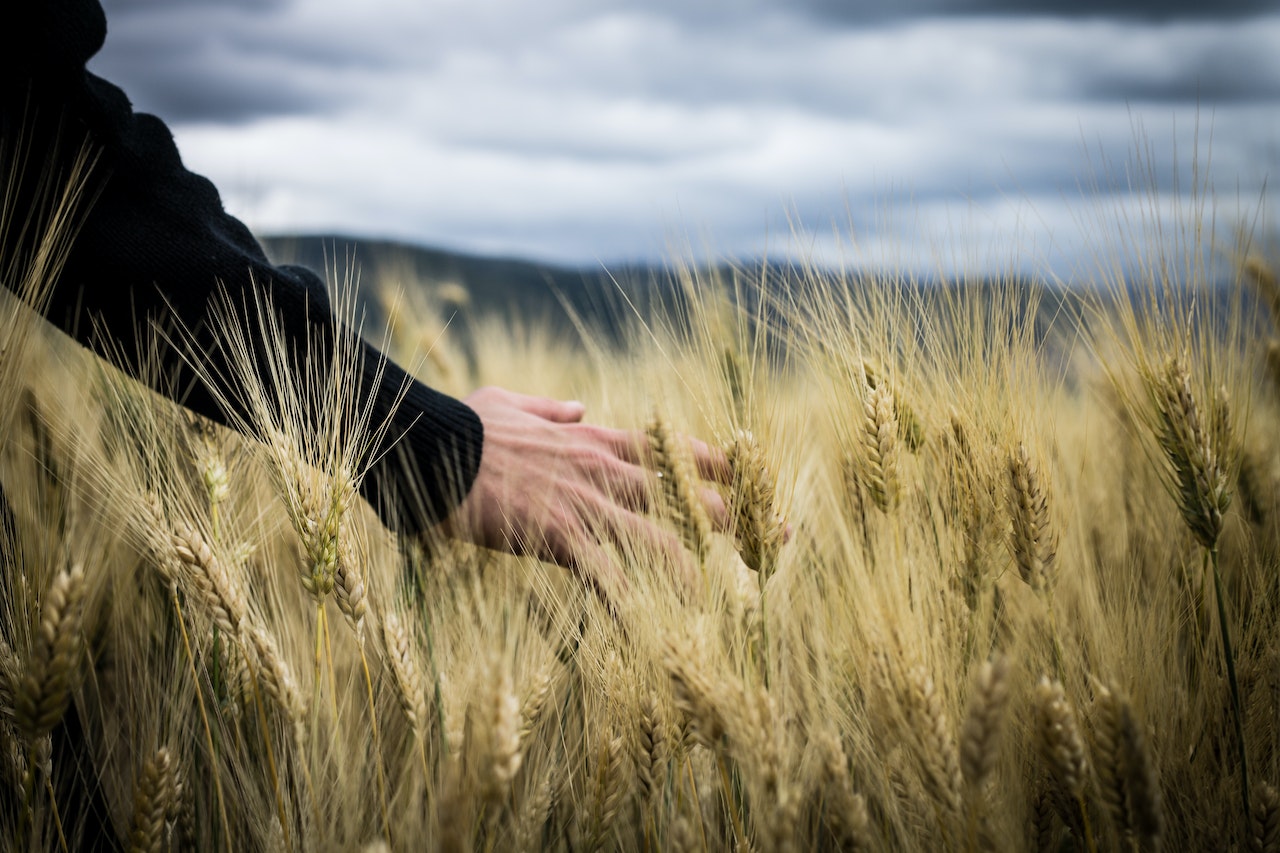
Long before European brewing traditions arrived in South Africa, indigenous communities had developed sophisticated fermentation techniques using local plants and grains. Modern science is now revealing the remarkable properties of these traditional ingredients and their potential for contemporary brewing innovation.
The Botanical Foundation of African Brewing
South Africa's diverse ecosystems have provided indigenous brewers with an extraordinary palette of ingredients, each contributing unique flavors, nutrients, and fermentation properties. From the drought-resistant sorghum of the grasslands to the wild herbs of the fynbos, these ingredients represent thousands of years of traditional knowledge now being validated by modern brewing science.
Recent research has shown that many of these traditional ingredients offer superior nutritional profiles compared to conventional brewing grains, while their unique flavor compounds create opportunities for truly distinctive South African beer styles.
Explore Indigenous Brewing
Discover traditional and modern beers made with indigenous South African ingredients, plus brewing supplies for experimenting with these fascinating botanicals.
Key Indigenous Ingredients
Sorghum (Sorghum bicolor)
Traditional Use:
Primary grain for umqombothi and traditional beers
Scientific Benefits:
Gluten-free, high protein, rich in antioxidants
Flavor Contribution:
Sweet, nutty, slightly tangy when fermented
Modern Application:
Craft brewers use for gluten-free ales and unique flavors
Maize (Zea mays)
Traditional Use:
Adjunct grain, adds body and fermentable sugars
Scientific Benefits:
High starch content, provides clean fermentable base
Flavor Contribution:
Neutral sweetness, light body enhancement
Modern Application:
Used in hybrid traditional-modern beer styles
Wild Fig (Ficus sycamorus)
Traditional Use:
Natural yeast source and flavor enhancer
Scientific Benefits:
Contains wild yeasts and enzymes for fermentation
Flavor Contribution:
Subtle fruit notes, complex fermentation character
Modern Application:
Wild fermentation starter in craft brewing
The Fermentation Science

Wild Yeast Ecosystems
Traditional South African brewing relies heavily on wild fermentation, utilizing naturally occurring yeasts and bacteria found on indigenous plants. Research has identified unique strains of Saccharomyces cerevisiae and Brettanomyces species that contribute to the distinctive flavors of traditional beers.
These wild yeasts often produce different ester and phenol profiles compared to commercial brewing strains, creating complex flavor compounds that include fruity esters, spicy phenols, and organic acids that contribute to the characteristic tartness of traditional African beers.
Lactic Acid Fermentation
Many traditional South African beers undergo simultaneous alcoholic and lactic acid fermentation, similar to Belgian lambics but using indigenous microorganisms. This dual fermentation creates the characteristic tangy, refreshing quality that makes traditional beers particularly suited to hot climates.
Nutritional Advantages
Comparative Nutritional Analysis
Protein Content
Sorghum: 11-15%
vs Barley: 8-12%
Antioxidants
3x higher phenolic compounds
in sorghum vs barley
Minerals
High iron, phosphorus
Essential B vitamins
Gluten-Free Brewing
Sorghum's natural gluten-free properties make it ideal for modern gluten-sensitive consumers, while its fermentation characteristics produce beers with excellent head retention and mouthfeel despite the absence of gluten proteins.
Probiotic Properties
Traditional fermentation methods often preserve beneficial bacteria that can contribute to gut health. While most modern commercial beers are pasteurized, some craft brewers are exploring live fermented versions that maintain these probiotic benefits.
Modern Applications and Innovations
Contemporary South African craft brewers are increasingly incorporating indigenous ingredients into modern beer styles. This creates unique flavor profiles that reflect local terroir while meeting modern quality and consistency standards.
Hybrid Brewing Techniques
Some brewers combine traditional ingredients with modern techniques, using controlled fermentation with selected wild yeast strains to create consistent yet complex flavors. This approach maintains the character of traditional beers while ensuring food safety and shelf stability.
Sustainability Benefits
Indigenous ingredients are typically more drought-resistant and require fewer agricultural inputs than imported brewing grains. This makes them increasingly attractive for sustainable brewing practices in South Africa's challenging climate.
Future Research Directions
Ongoing research at South African universities is investigating the medicinal properties of traditional brewing herbs, the unique flavor compounds in indigenous grains, and the potential for developing new commercial yeast strains from wild sources.
This scientific validation of traditional knowledge not only preserves cultural heritage but also opens new possibilities for creating distinctly South African beer styles that can compete globally while celebrating local biodiversity.
Discover Indigenous Brewing
Explore the fascinating world of traditional South African brewing with ingredients and beers that showcase thousands of years of indigenous knowledge validated by modern science.