
Skunky, Stale or Just Right? How to Taste Beer Off-Flavours
The six off-flavours every beer judge learns first, what causes each one, when it is actually part of the style, and where South Africans can buy the same training kits the professionals use.
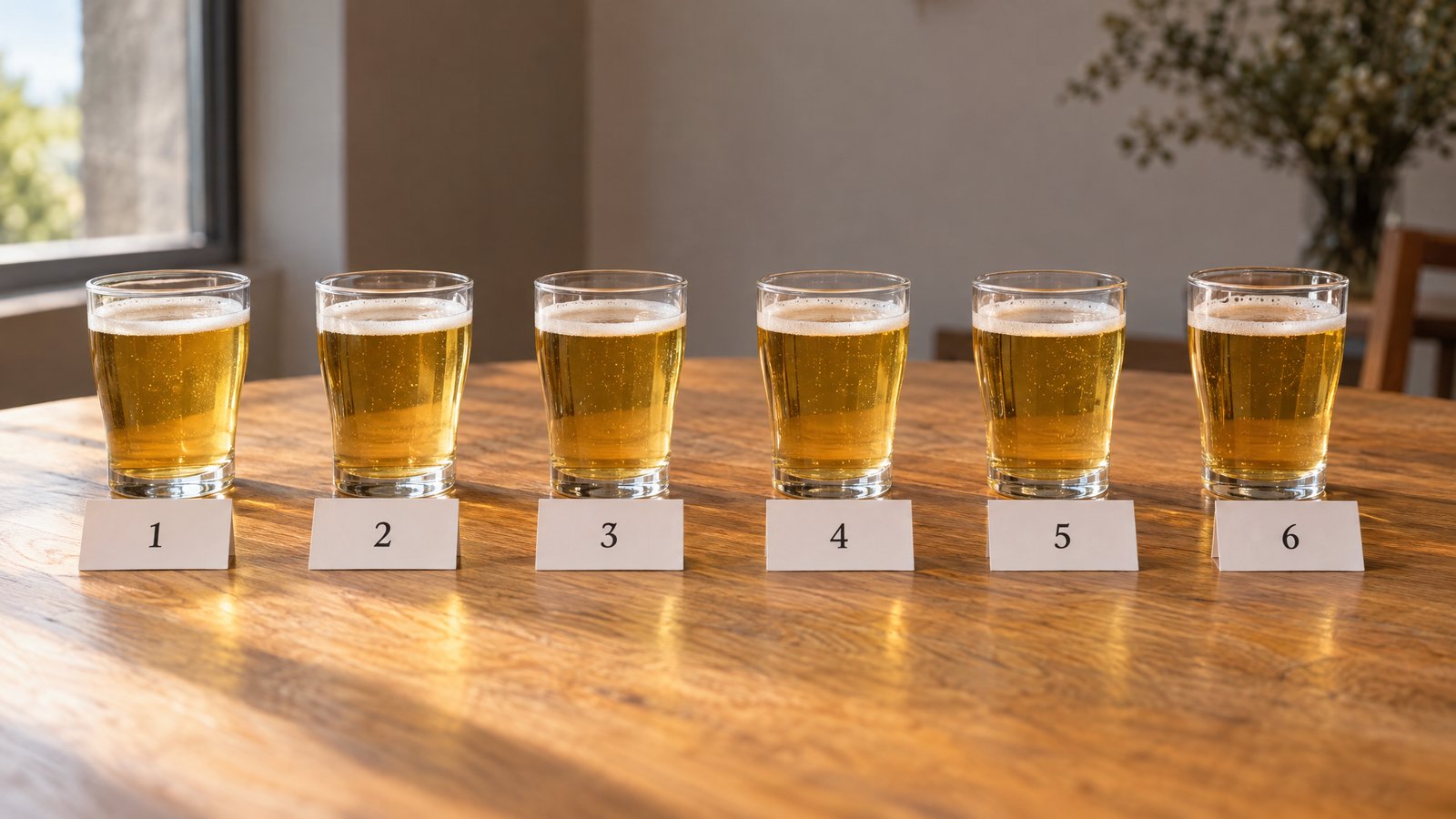
Ever had a lager that smelled faintly of a skunk, or a beer that tasted like wet cardboard? Those aren't your imagination. They're off-flavours, and each one has a known chemical cause. Brewers and beer judges train to spot them, and with a few rand and a fridge you can do the same.
This guide covers the six off-flavours that come up most, how to taste for them at home, and where South Africans can buy the same training standards the professionals use.
18+ only. Please drink responsibly, and spit during tasting sessions.
Key Takeaways
- •Six faults cover most of what goes wrong in beer: diacetyl, DMS, acetaldehyde, oxidation, lightstruck and infection
- •Some are acceptable in certain styles (a touch of butter in a Czech pils); lightstruck and oxidation never are
- •South African sun skunks a green-bottled lager in about an hour; brown bottles block most of the damaging light
- •You can doctor a plain lager with butter extract, vinegar, vodka and cloves to train at home for free
- •Cactus Craft in Pretoria stocks Siebel sensory kits from R3,821; one ampoule serves 10 to 30 tasters
- •Most people can tell a beer is off; training is what lets you name the fault and work out the cause
The six off-flavours every judge learns first
| Off-flavour | Smells or tastes like | Usual cause | Ever acceptable? |
|---|---|---|---|
| Diacetyl | Butter, butterscotch | Yeast not finished, or dirty draught lines | Low levels in Czech pilsners and English bitters |
| DMS | Sweetcorn, cooked veg | A weak or short boil | Some light lagers |
| Acetaldehyde | Green apple | Beer rushed out of the fermenter | Rarely |
| Oxidation | Wet cardboard, paper | Old beer, or beer stored warm | Never in a fresh beer |
| Lightstruck | Skunk | Sunlight hitting hops in clear or green bottles | Never |
| Infection | Sour, vinegar, butter together | Bacteria | Only in deliberately sour styles |
That last column matters. A buttery note in a Czech-style pils can be correct, and a clove note in a German Weissbier is part of the style. Knowing the difference is what separates a judge from someone who just doesn't like a beer.
Lightstruck: the one South Africans should know best
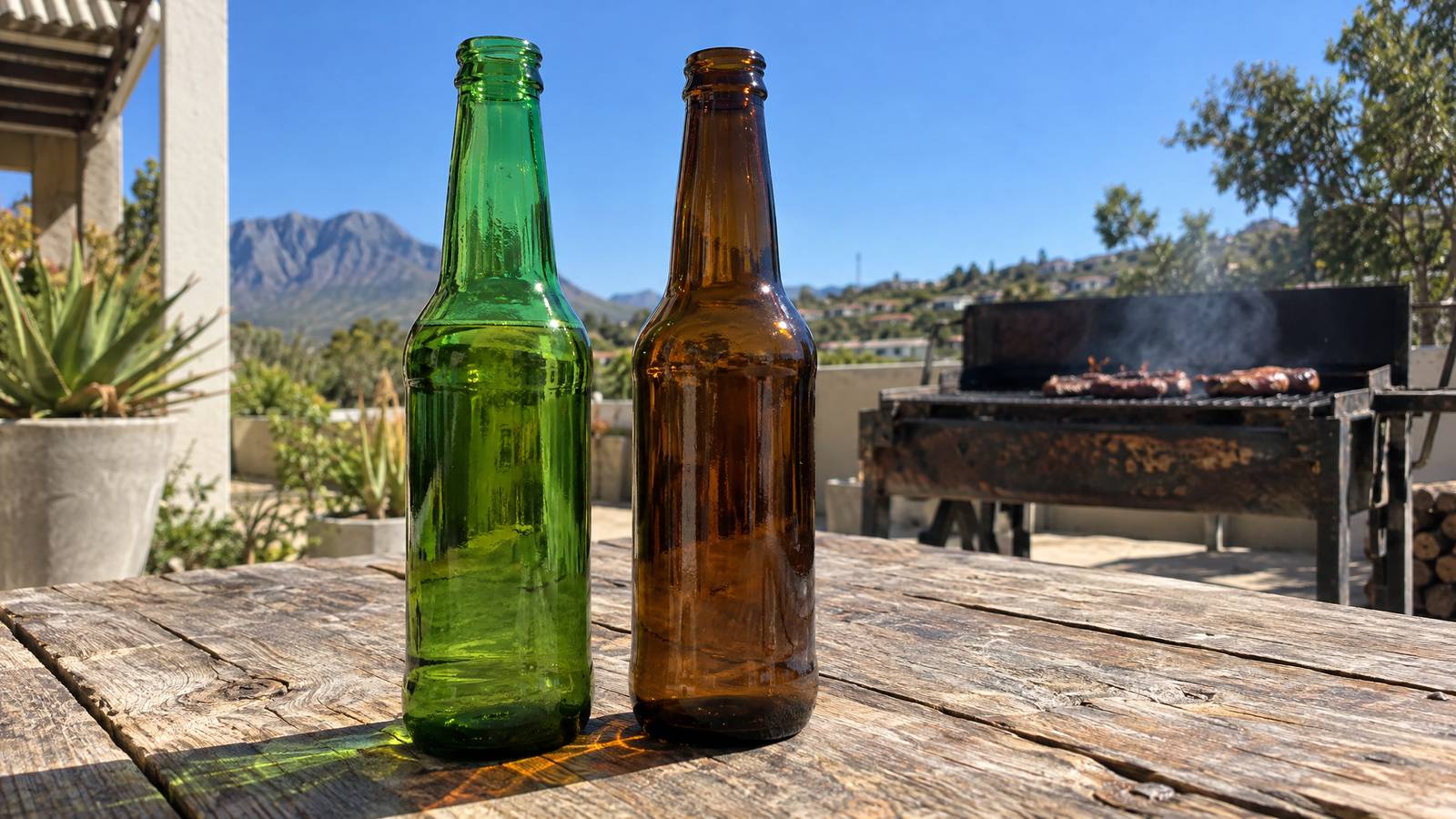
South African sun is brutal on beer. The skunky smell forms when light breaks down hop compounds, and it can happen in minutes. Brown bottles block most of it; green and clear bottles block very little. Leave a green-bottled lager in direct Highveld sun for about an hour, then compare it with one straight from the fridge. Once you've smelled it side by side, you'll notice it at every braai.
Spotting it and naming it are different skills
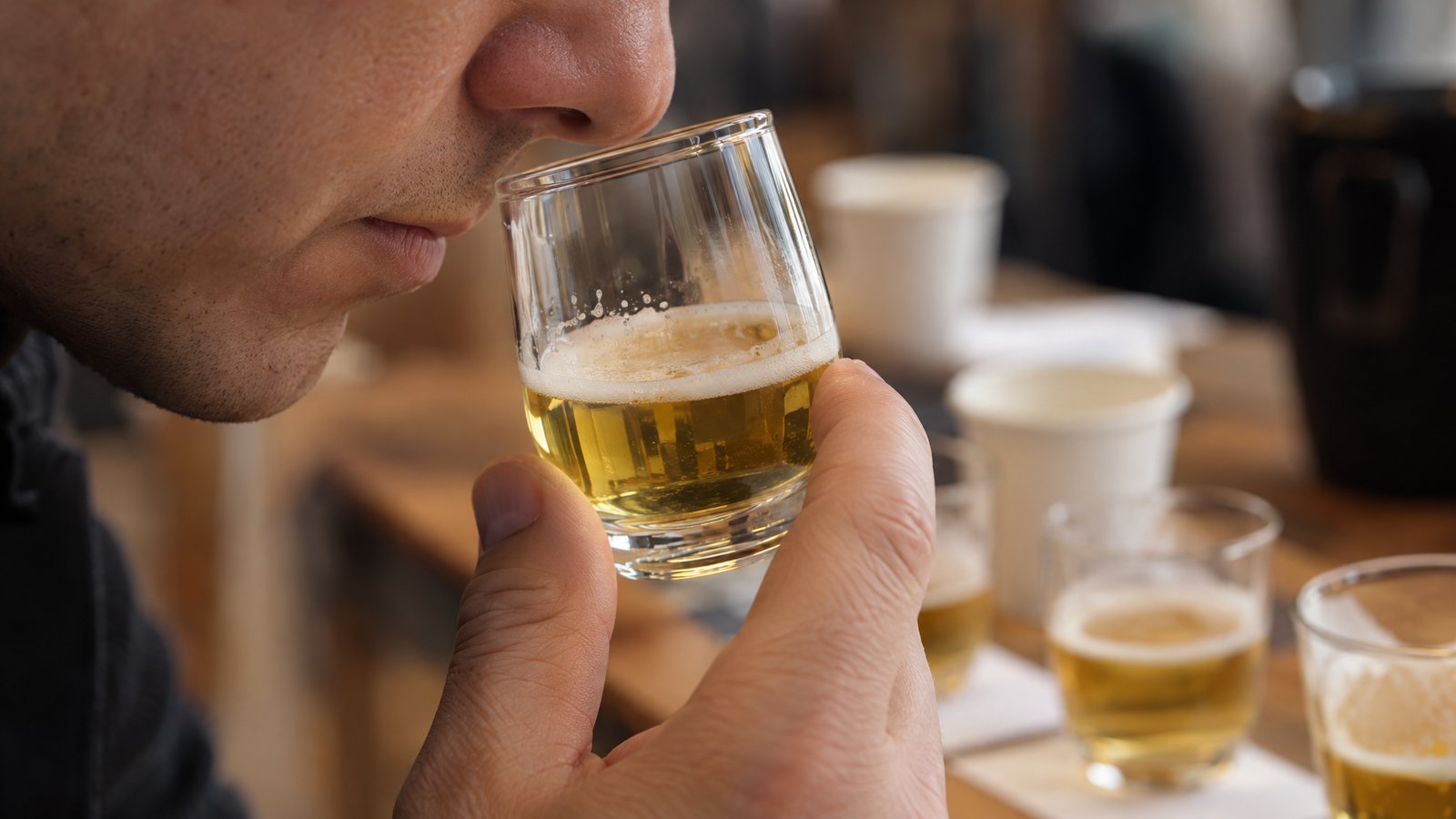
In one home experiment, tasters were given three beers, one spiked with diacetyl at six times the level most people notice. Thirteen of 19 picked the odd beer out. Only four could say what was wrong with it.
That's the point of training. Most of us can tell something is off. Practice teaches you to name it, and then you can work out the cause.
DIY training with supermarket ingredients
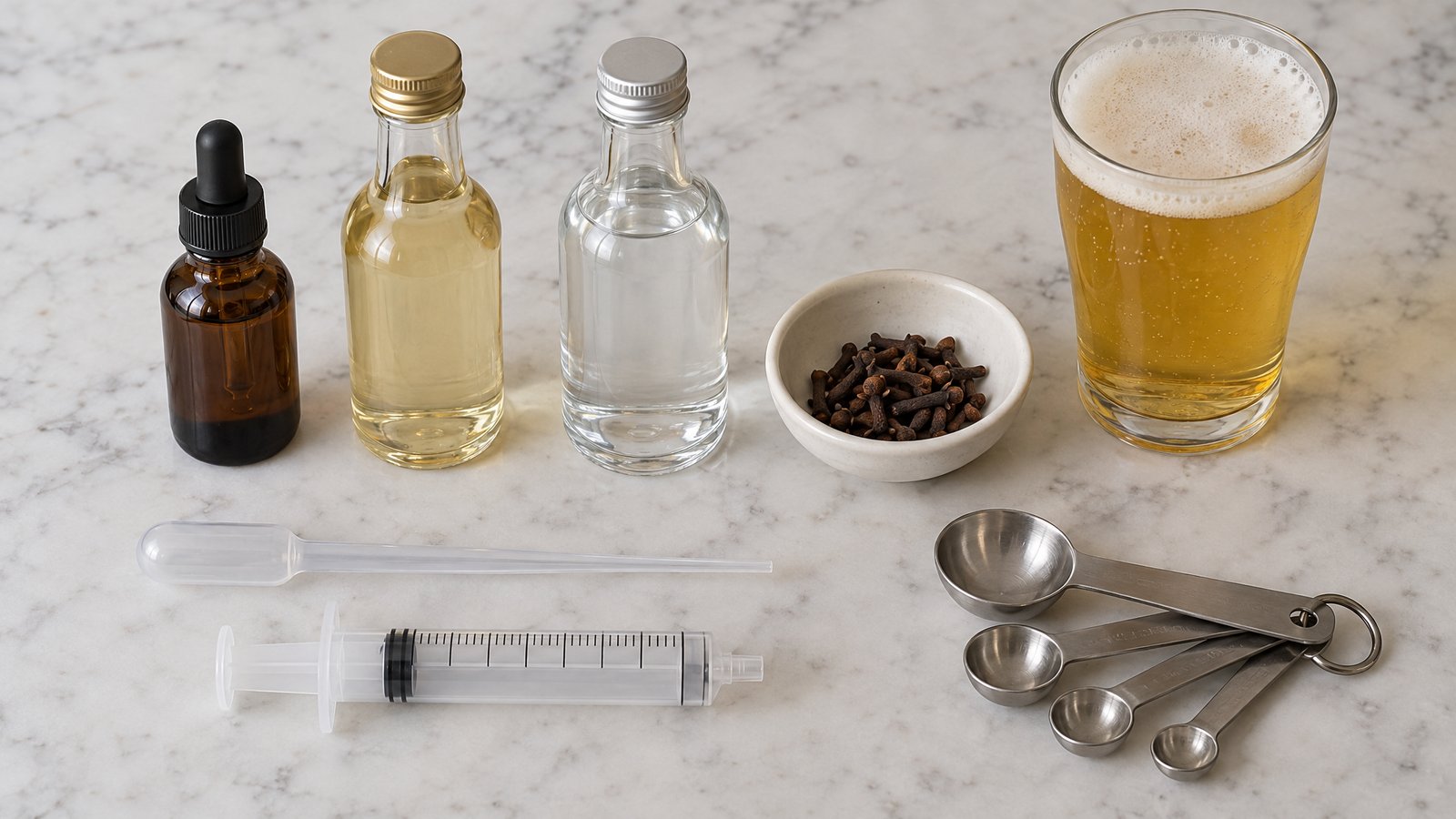
The Beer Judge Certification Program (BJCP) publishes recipes for “doctoring” a plain light lager. Per litre of beer:
- Diacetyl: 11–14 drops of butter extract
- Acetic (vinegar): 10.5 ml of white wine vinegar
- Alcohol heat: 62 ml of vodka
- Clove (phenolic): 55 ml of beer that's had cloves steeped in it
- Lightstruck: a green bottle in the sun
- Oxidised: a bottle opened, resealed and kept somewhere warm for a few days
Pour small samples next to an untouched glass of the same beer, taste blind with random numbers on the cups, and write your guess before you check. DIY works well for these. It doesn't work for sweetcorn DMS, rotten-egg sulphur or true cardboard oxidation, which is where a proper kit earns its price.
Where to buy professional kits in South Africa
The good news is that you don't have to import. Cactus Craft in Pretoria is the official African distributor for Siebel Institute sensory kits.
| Kit | What's in it | Price |
|---|---|---|
| Siebel Essential | 6 ampoules: contamination, DMS, diacetyl, isovaleric acid (cheesy), papery, hydrogen sulphide | R3,821 (in stock in Pretoria, October 2026) |
| Siebel Intermediate | 12 compounds | R4,249 (order in) |
| Siebel Advanced | 18 compounds | R5,238 (order in) |
Each ampoule doses one litre of beer at about three times the level most people can detect, enough for 10 to 30 tasters, so one kit can run a full tasting evening. They keep for two years in the fridge. Contact: 068 624 7999 or [email protected].
If you want more, FlavorActiV in the UK ships to South Africa (a 10-capsule starter is £129, with a £275 minimum order).
How to run your first session
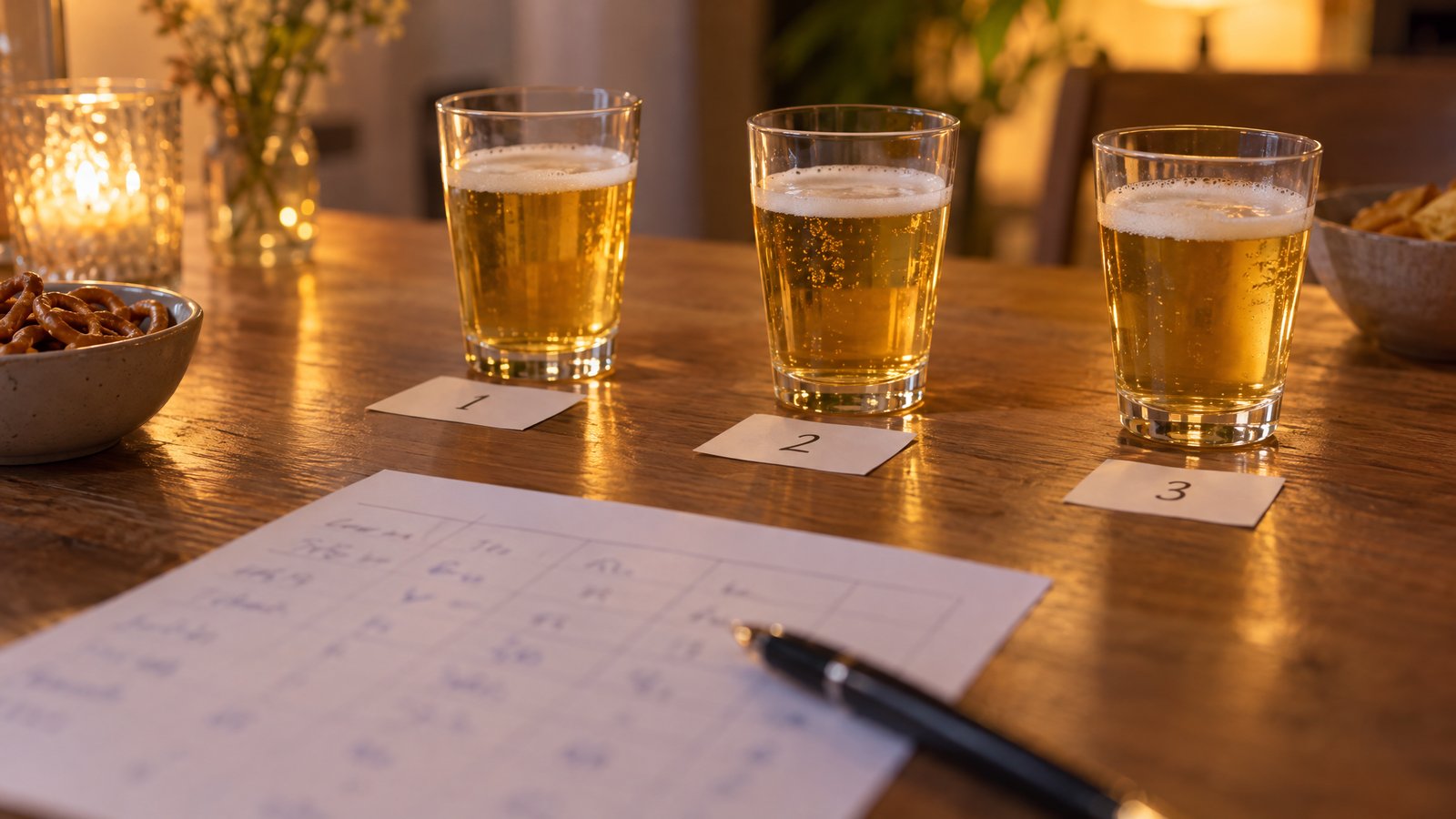
- Use a clean, light lager you know well as the base.
- Do four to six samples at most, starting with the least unpleasant.
- Smell first with short sniffs, then sip, swallow or spit, and breathe out through your nose.
- Pair each fault with a commercial beer where that flavour belongs, for example clove in a Weissbier.
- Rinse with water between samples and take 15-minute breaks.
Taking it further
The BJCP is the most accessible beer-judging qualification. The online entrance exam costs US$10, and tasting exams have been held in Cape Town in 2024 and 2025. Our step-by-step BJCP certification guide covers the whole pathway. In Gauteng, the Worthog Brewers homebrew club meets in Pretoria, Johannesburg and the East Rand for R150 a year, and it's a good place to taste with people who'll tell you when you're wrong.
Prices checked October 2026. No sponsors.
Frequently asked questions
Why does beer smell like a skunk?
That smell is called lightstruck. It forms when sunlight (or fluorescent light) breaks down hop compounds in the beer, and it can happen within minutes. Brown bottles block most of the damaging light; green and clear bottles block very little. Cans and kegs are immune. It is never an acceptable flavour.
What does oxidised beer taste like?
Oxidation shows up as wet cardboard or paper on the nose and palate, often with a dull, flat sweetness. It is caused by old beer or beer that has been stored warm. It is never acceptable in a fresh beer, which is why checking packaging dates and buying from shops with a fast turnover matters.
Is a buttery flavour in beer always a fault?
No. The buttery or butterscotch note is diacetyl. At high levels it points to yeast that was not given time to finish, or to dirty draught lines. But low levels are within style for Czech-style pilsners and English bitters. Knowing when a flavour belongs is what separates a trained judge from someone who simply dislikes a beer.
Can I train for beer off-flavours without buying a kit?
Partly. The BJCP publishes recipes for doctoring a plain light lager with supermarket ingredients: butter extract for diacetyl, white wine vinegar for acetic sourness, vodka for alcohol heat, clove-steeped beer for phenolics, a green bottle in the sun for lightstruck, and a re-sealed warm bottle for oxidation. DIY does not work well for sweetcorn DMS, rotten-egg sulphur or true cardboard oxidation, which is where a professional kit earns its price.
Where can I buy a beer off-flavour training kit in South Africa?
Cactus Craft in Pretoria is the official African distributor for Siebel Institute sensory kits. As of October 2026 the Siebel Essential kit (6 ampoules) was R3,821 and in stock; the Intermediate (12 compounds, R4,249) and Advanced (18 compounds, R5,238) kits are ordered in. Contact 068 624 7999 or [email protected]. FlavorActiV in the UK also ships to South Africa.
How many people can one Siebel ampoule serve?
Each ampoule doses one litre of beer at roughly three times the level most people can detect, which is enough for 10 to 30 tasters. One kit can run a full tasting evening, and the ampoules keep for two years in the fridge.
Related Articles
How to Become a BJCP Certified Beer Judge in South Africa
Exam pathway, costs and where to judge once you can name the faults.
Read moreHome Brewing Beer Kits in South Africa
Brew your own and you will meet most of these off-flavours first-hand.
Read moreBeer 101: Styles, Tasting & Brewing Basics
The fundamentals of how beer is made and how to taste it properly.
Read more